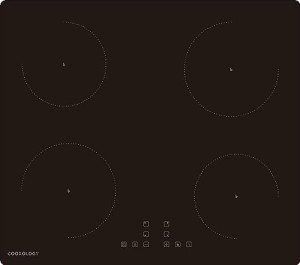
Energy-Efficient Induction Hobs: A Comprehensive Guide
Induction hobs have emerged as a popular cooking service amongst modern families, applauded for their speed, effectiveness, and safety. As the world becomes more conscious of energy consumption and environmental sustainability, energy-efficient induction hobs are paving the method for cleaner and more effective cooking approaches. This post explores the workings, benefits, and considerations of induction hobs, offering an informative guide for those seeking to make the switch.
What is an Induction Hob?
Induction hobs work on the principle of electromagnetic induction. Unlike traditional gas or electrical hobs, which heat up the cooktop surface area, induction hobs produce heat straight in the pots and pans. This is accomplished through magnetic fields that are developed when an induction coil is stimulated. The benefits of this technique extend beyond effectiveness, as it also improves security and cooking efficiency.
Key Features of Induction Hobs
- Fast Cooking: Induction hobs substantially decrease cooking time compared to conventional techniques. They can boil water almost twice as fast as electric hobs.
- Energy Efficiency: Approximately 90% of the heat generated is moved straight to the cookware, lessening energy waste.
- Accurate Temperature Control: Users can manage heat levels with extraordinary precision, which is particularly beneficial for fragile jobs like simmering and melting.
- Cool Cooktop Surface: The cooktop remains reasonably cool, decreasing the risk of burns and making cleansing simpler.
- Safety Features: Many induction hobs come equipped with automatic shut-off functions, recurring heat indicators, and kid lock features.
Benefits of Energy-Efficient Induction Hobs
Energy-efficient induction hobs offer numerous advantages that align with a sustainable way of life. Below are several essential benefits:
| Benefit | Description |
|---|---|
| Lower Energy Bills | Consuming less energy equates to reduce energy costs. |
| Ecologically Friendly | Decreased energy usage adds to reduce carbon emissions. |
| Improved Cooking Experience | Quick meal preparation and precise control improves cooking outcomes. |
| Safer Cooking Environment | Reduced risk of burns and fires due to cool cooktop surface areas. |
| Easy Maintenance | Smooth surfaces are easier to clean up and maintain than conventional options. |
Factors To Consider When Choosing Induction Hobs
While the benefits of induction hobs are compelling, potential purchasers need to also consider several elements before purchasing.
- Pots and pans Compatibility: Induction cooking needs magnetic pots and pans. Users require to guarantee their pots and pans work (cast iron and stainless-steel are typically suitable).
- Initial Cost: Induction hobs can be more pricey in advance than standard cooking solutions. Nevertheless, the long-term cost savings on energy bills might offset this preliminary financial investment.
- Power Supply Needs: Some induction hobs require higher power supply setups, which might include extra installation expenses.
- Sound Levels: Some users might find that induction hobs discharge a humming noise when in usage, especially with particular types of cookware.
Picking the Right Induction Hob
Investing in an induction hob can be a significant decision, and understanding the features and specifications can assist in making an educated choice. Here are aspects to consider when selecting the ideal induction hob:
Size
- Standard Sizes: Induction hobs come in different sizes, normally ranging from 30 cm to 90 cm.
- Burners: Consider the variety of cooking zones you need. Smaller hobs may have two or three burners, while larger models often have 4 or more.
Features
- Touch Control: Modern induction hobs typically include touch-sensitive controls, offering a sleek and modern style.
- Smart Features: Some hobs include wise innovation that integrates with home automation systems for push-button control and monitoring.
- Timer Functionality: This enables users to set cooking times, guaranteeing accuracy without needing consistent guidance.
Brand Reputation and Warranty
Picking a reputable brand name that offers a solid warranty can be important for long-term satisfaction. Research study customer reviews and ask about the maker's service policies.
Energy-efficient induction hobs represent a considerable development in cooking technology, marrying efficiency with sustainability. Ovens And Hobs , exact controls, and safety features make them an attractive option for any cooking area. While the preliminary costs might be greater, the long-lasting benefits of energy cost savings and boosted cooking experiences provide an engaging case for making the switch. As households continue to seek ways to minimize their carbon footprint, induction hobs use a useful, modern solution.
FAQs
1. What pots and pans works with induction hobs?Induction hobs work with magnetic products. Pots and pans made from cast iron and certain types of stainless-steel are perfect. Non-magnetic materials like aluminum or glass will not work.
2. Are induction hobs safe for children?Yes, induction hobs are typically thought about safe for children. The cooktop stays cool to the touch, and numerous models include security locks to prevent unintentional operation.
3. Can I set up an induction hob myself?It is suggested to hire an expert for installation, especially if your hob requires a greater power supply or complex electrical work.
4. Do induction hobs utilize a great deal of electricity?Induction hobs are understood for their energy efficiency; they usually use less electricity compared to traditional electric or gas cooktops since they convert nearly 90% of the energy utilized directly into heat for cooking.
5. How do I clean an induction hob?Cleaning an induction hob is uncomplicated. Utilize a soft cloth or sponge with warm soapy water. Avoid abrasive cleaners which can scratch the surface.